Physical Address
304 North Cardinal St.
Dorchester Center, MA 02124
Physical Address
304 North Cardinal St.
Dorchester Center, MA 02124

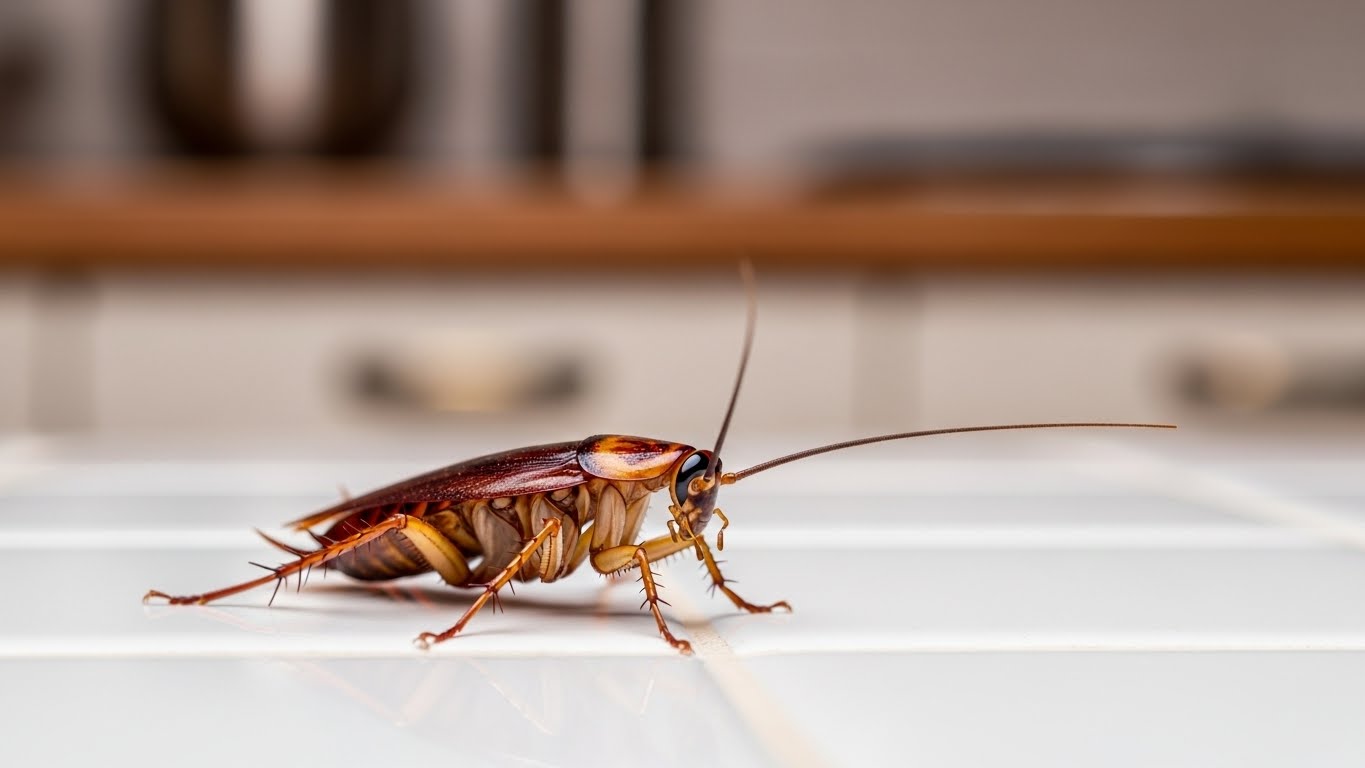
You turn on the kitchen light at night and see them scatter across the counter. You open a cabinet and one drops onto your hand. You’re lying in bed and hear that unmistakable rustling sound in the walls. If you’re dealing with cockroaches, you know exactly how disgusting and stressful this problem can be.
Cockroaches aren’t just unpleasant to look at. They carry diseases, trigger allergies and asthma, contaminate your food, and multiply incredibly fast. A single female cockroach can produce up to 300 offspring in her lifetime. What starts as seeing one or two roaches can quickly become a full-blown infestation.
The good news? You can eliminate cockroaches permanently using natural methods that are safe for your family and pets. In this comprehensive guide, you’ll learn exactly why cockroaches chose your home, the eight most effective natural methods to get rid of them, and how to keep them from ever coming back.
Before you can eliminate cockroaches permanently, you need to understand what attracted them in the first place. Cockroaches don’t infest homes randomly. They’re looking for three specific things, and your home is providing at least one of them.
Food Sources
Cockroaches will eat almost anything. They prefer starches, sweets, grease, and meat, but they’ll also consume paper, cardboard, glue, soap, hair, and even each other. They can survive on tiny amounts of food that you’d never notice. A few crumbs under your refrigerator can feed dozens of roaches for weeks.
Common food sources in homes include dirty dishes left overnight, food spills not cleaned immediately, grease buildup on stoves, crumbs in pantries and cabinets, pet food left out overnight, garbage not taken out regularly, and food stored in non-sealed containers.
The worst part is that cockroaches only need to eat once every few weeks. Even if you think your home is clean, microscopic food particles are often enough to sustain them.
Water Sources
Cockroaches can survive about a month without food, but they’ll die within a week without water. This is why you often see them in kitchens and bathrooms. They’re not just looking for food but also moisture and water.
Common water sources include leaky pipes under sinks, dripping faucets, condensation on pipes, standing water in sink drains, water left in pet bowls overnight, wet sponges and dishcloths, and moisture from bathroom showers and baths.
If you have high humidity in your home, that alone can attract cockroaches even if you don’t have obvious water leaks.
Shelter and Hiding Places
Cockroaches are nocturnal and hide during the day in dark, warm, tight spaces. They prefer areas that are close to food and water sources. The more clutter you have, the more hiding places you’re providing.
Common hiding spots include inside and behind kitchen appliances, in cracks and crevices in walls and floors, inside cabinets and drawers, behind wallpaper and wall decorations, in stacks of newspapers or cardboard boxes, inside electronic devices like TVs and computers, in bathroom cabinets and behind toilets, and in cluttered storage areas.
One female cockroach hiding in your home can restart an entire infestation even after you think you’ve eliminated them all.
Cockroaches get inside through surprisingly small openings. They can squeeze through gaps as thin as a coin. Common entry points include cracks in foundations and walls, gaps around doors and windows, spaces around pipes and utility lines, vents without proper screens, drains and sewer lines, and gaps under doors.
They also hitchhike into homes inside grocery bags, cardboard boxes, used appliances, furniture, and luggage. If you bring home a used refrigerator or microwave, you might be bringing in cockroach eggs without knowing it.
Important: If you live in an apartment or attached housing, cockroaches can travel between units through shared walls, pipes, and electrical conduits. You might be doing everything right, but they keep coming from neighboring units.
These methods are arranged from prevention basics to active elimination strategies. For best results, use multiple methods together rather than relying on just one approach.
Why It Works: Cockroaches can’t survive where there’s no food. This method starves them out while making your home less attractive to new invaders.
What You Need:
Step-by-Step Deep Cleaning Plan:
Kitchen Focus Areas:
Bathroom Focus Areas:
Throughout Your Home:
Daily Maintenance After Deep Clean:
Expected Results: Deep cleaning eliminates the food and water sources cockroaches need. You should see significantly fewer cockroaches within three to five days. However, cleaning alone won’t eliminate an existing infestation because cockroaches can survive weeks without food. Combine this with the active elimination methods below.
Pros: Essential foundation for all other methods, improves overall home hygiene, costs nothing, prevents future infestations, safe for family and pets
Cons: Time-consuming initially, requires daily discipline, doesn’t kill existing cockroaches immediately, family members must cooperate

Why It Works: Boric acid is a natural powder that kills cockroaches when they walk through it. It sticks to their legs and bodies, and they ingest it while grooming themselves. It damages their digestive system and nervous system, killing them within a few days. The best part is that cockroaches carry it back to their hiding places, spreading it to other roaches.
What You Need:
Step-by-Step Application:
Safety Precautions:
Boric acid is much safer than chemical pesticides, but you still need to be careful:
Expected Results: You’ll start seeing dead cockroaches within three to five days. Some cockroaches will die in their hiding places, so you might not see all of them. Full elimination of a moderate infestation takes two to four weeks. Large infestations may take longer.
Why Some People Fail With Boric Acid:
The most common mistake is applying too much. When you pile boric acid in thick layers, cockroaches can see and avoid it. They’ll walk around the piles instead of through them. Think “light dusting” not “snowdrift.”
Pros: Extremely effective when used correctly, inexpensive, long-lasting (works for months if kept dry), relatively safe, kills cockroaches and their eggs over time
Cons: Takes several days to work, requires careful application, not safe to use where children and pets have access, doesn’t provide instant satisfaction of seeing dead roaches immediately
Why It Works: Diatomaceous earth is a powder made from fossilized algae. Under a microscope, it has sharp edges that cut through the waxy outer coating of a cockroach’s exoskeleton. This causes them to dehydrate and die. It’s completely natural and safe for humans and pets when you use food-grade DE.
What You Need:
Step-by-Step Application:
Safety Information:
Food-grade diatomaceous earth is safe enough that people actually consume it as a dietary supplement. You can safely use it around children and pets. However, you should still avoid breathing the dust during application, and keep children from playing directly in treated areas.
Expected Results: Cockroaches that walk through DE will die within 48 hours from dehydration. However, you might not see the dead roaches because they often die in their hiding places. You should notice significantly fewer live cockroaches within one week. Complete elimination takes three to four weeks for moderate infestations.
Pros: Completely natural and non-toxic, safe around children and pets, works continuously as long as it stays dry, kills cockroaches mechanically (they can’t develop resistance), also works on other insects
Cons: Stops working when wet, takes several days to kill roaches, can be messy, requires reapplication after cleaning, doesn’t work as fast as chemical pesticides
Important Note: Both boric acid and diatomaceous earth work best when used together with thorough cleaning. Cockroaches won’t walk through either powder if they can find easy food sources elsewhere in your home.
Why It Works: This method attracts cockroaches with food bait mixed with a killing agent. Cockroaches eat the bait and die, but not before returning to their hiding places and spreading the poison to other roaches through their droppings and dead bodies.
What You Need:
Recipe and Application:
Alternative Bait Recipe (Sugar and Baking Soda):
Some people prefer this method because baking soda is even safer than boric acid:
The sugar attracts cockroaches while the baking soda creates gas in their digestive system, killing them. However, this method is less effective than boric acid bait and works slowly.
Expected Results: You’ll see dead cockroaches within three to five days. You might notice more cockroaches initially as they’re attracted to the bait. This is normal. The population will crash dramatically after one to two weeks. Continue baiting for a full month to ensure you’ve eliminated all roaches, including newly hatched ones.
Pros: Highly effective, targets the entire colony, works while you sleep, relatively safe when placed correctly, inexpensive
Cons: Toxic if consumed by children or pets (must be placed carefully), takes several days to work, requires monitoring and refreshing, can attract more roaches initially
Why It Works: Certain essential oils repel and kill cockroaches on contact. They disrupt the cockroach’s nervous system and respiratory system. While not as effective as boric acid for elimination, essential oils work well for immediate contact kills and as a repellent to keep cockroaches away from specific areas.
What You Need:
Recipe and Application:
Why This Works:
Cockroaches breathe through small openings called spiracles along their body. Strong scents like peppermint interfere with their breathing and also mask the pheromone trails they use to navigate. They avoid areas that smell strongly of these oils.
Expected Results: This method provides immediate satisfaction because you can spray and kill cockroaches on contact. However, it won’t eliminate an infestation by itself. Use it as part of a comprehensive approach along with boric acid or DE. The repellent effect lasts a few days before you need to reapply.
Pros: Natural and safe around children and pets (when used reasonably), smells pleasant, kills on contact, repels cockroaches from treated areas, can be used on surfaces, multi-purpose (also freshens your home)
Cons: Must be reapplied frequently, not as effective as boric acid for elimination, expensive if using high-quality essential oils, doesn’t kill eggs, provides temporary rather than permanent solution
Why It Works: Prevention is always better than treatment. Even if you eliminate every cockroach in your home, new ones will move in if you haven’t sealed the entry points. This method stops the problem at its source.
What You Need:
Comprehensive Sealing Strategy:
Kitchen and Bathroom:
Throughout Your Home:
Special Areas:
Testing Your Work:
After sealing, turn off all lights at night and use a flashlight to inspect your work. Cockroaches are attracted to light gaps, which show you places you missed.
Expected Results: Sealing entry points provides permanent prevention. You’ll notice fewer new cockroaches entering your home immediately. Combined with elimination methods, this ensures cockroaches can’t repopulate after you’ve killed the existing ones.
Pros: Permanent solution, prevents cockroaches and other pests, improves energy efficiency, one-time effort with long-lasting results
Cons: Time-consuming, requires materials and basic DIY skills, might miss some hidden entry points, doesn’t address cockroaches already inside, challenging in older homes with many cracks
Why It Works: Remember, cockroaches can survive a month without food but only a week without water. Eliminating water sources is more effective than eliminating food sources. This method dehydrates your home environment, making it uninhabitable for cockroaches.
Comprehensive Moisture Control:
Fix Leaks Immediately:
Eliminate Standing Water:
Reduce Overall Humidity:
Hidden Water Sources:
Expected Results: Reducing moisture makes your home hostile to cockroaches. Combined with eliminating food sources, this creates an environment where they simply can’t survive. You should notice fewer cockroaches within one to two weeks as they become dehydrated and leave to find water elsewhere.
Pros: Extremely effective when combined with food elimination, prevents other moisture-related problems like mold, improves overall home health, permanent solution once implemented
Cons: Requires identifying and fixing plumbing issues, may involve repair costs if you have significant leaks, requires daily attention to wipe up water, doesn’t kill existing cockroaches immediately
Why It Works: Certain natural substances repel cockroaches through strong scents they find offensive. While these won’t kill cockroaches, they help keep roaches away from specific areas and can complement your other elimination methods.
Effective Natural Repellents:
Bay Leaves:
Cucumber Peels:
Lemon or Citrus Peels:
Catnip:
Garlic and Onion:
Coffee Grounds:
Expected Results: Natural repellents help keep cockroaches away from specific areas like food storage. They work best as prevention after you’ve eliminated an active infestation. Don’t rely on these alone to solve a cockroach problem, but use them as part of your comprehensive strategy.
Pros: Completely safe and natural, pleasant smells (except garlic/onion), inexpensive, can be used in food storage areas, no health risks
Cons: Need frequent replacement, only repel rather than kill, not effective against heavy infestations, provide temporary protection only, some methods (cucumber, citrus) create moisture if left too long
Successfully eliminating cockroaches is only half the battle. Keeping them away permanently requires establishing prevention routines and maintaining vigilance.
Kitchen Routine:
Bathroom Routine:
Throughout Home:
Deep Clean Kitchen:
Inspect and Maintain:
Comprehensive Inspection:
Reapply Treatments:
Every Three Months:
Even with good prevention, cockroaches might try to return. Watch for these early warning signs:
Signs of Cockroach Activity:
Act Immediately If You See Any Signs:
Don’t wait to see if it gets worse. One cockroach today can become hundreds within months. Immediately:
If you live in an apartment or attached housing, your prevention efforts alone might not be enough. Cockroaches can travel between units through shared walls and plumbing.
What to Do:
Many people think more is better, but with boric acid and DE, the opposite is true. Thick piles of powder signal danger to cockroaches and they’ll avoid it. Always apply thin, barely visible layers.
If you see cockroaches in your kitchen, they’re also hiding behind your walls, inside appliances, and throughout your home. You need to treat the entire house, not just where you spot them.
Natural methods take time to work. If you stop treatment after a few days because you don’t see immediate results, you’ll never eliminate the infestation. Commit to at least four weeks of consistent treatment.
You can eliminate every food source in your home, but if cockroaches can find water, they’ll stay. Water is more critical than food for their survival.
Every stack of papers, pile of clothes, or cardboard box provides hiding places for cockroaches. The more clutter you have, the harder it is to eliminate them.
Spraying visible cockroaches might make you feel better, but it doesn’t solve the problem. You need to eliminate what’s attracting them and seal how they’re getting in.
In apartments and attached housing, your neighbors need to treat their units too. Otherwise, you’re just playing whack-a-mole as roaches move back and forth between units.
Sometimes despite your best efforts, you need professional help. Here’s when to call an exterminator:
Signs You Need Professional Treatment:
What Professionals Offer:
Cost Expectations:
Even with professional treatment, you must still maintain cleanliness and seal entry points, or cockroaches will return.
With consistent application of these natural methods, you should see significant reduction within one to two weeks. Complete elimination typically takes four to six weeks for moderate infestations. The timeline depends on the severity of your infestation, how consistently you apply treatments, and whether you’re addressing all three factors: food sources, water sources, and entry points.
Large infestations or German cockroaches (which breed extremely fast) may take eight to twelve weeks. The key is persistence. Don’t stop treatment when you stop seeing cockroaches. Continue for at least two more weeks after the last sighting to ensure you’ve killed newly hatched roaches.
No. Cockroaches will never leave on their own as long as your home provides food, water, and shelter. Even if food is scarce, they’ll adapt and eat things you wouldn’t expect like paper, glue, and soap. Without intervention, cockroach populations only grow larger over time. A single female can produce 300 offspring in her lifetime, so waiting for them to leave guarantees a worse problem.
For instant kills, your options are limited to physical methods and certain sprays. Stepping on them or hitting them with a shoe kills instantly. Soapy water sprayed directly on a cockroach suffocates it within seconds. Essential oil sprays kill within minutes. However, instant-kill methods don’t solve infestations because you can only kill the cockroaches you see, which is less than five percent of the colony.
The most effective approach combines instant-kill methods for visible roaches with slower-acting methods like boric acid that eliminate the entire hidden colony over time.
This is actually a good sign. When you use bait treatments or disturb their hiding places during cleaning, cockroaches come out searching for new food sources and safe areas. Boric acid and diatomaceous earth also cause cockroaches to become disoriented before they die, so you might see them wandering in unusual places during daylight.
Don’t panic when you see more cockroaches initially. This means your treatment is working. The population will crash dramatically within one to two weeks if you continue treatment consistently.
Yes, this disturbing fact is true. A cockroach can live for weeks without its head because it breathes through small holes in its body segments, not through its mouth. It eventually dies from dehydration because it can’t drink water without a mouth. This incredible survival ability is why cockroaches are so hard to eliminate and why you need comprehensive treatment methods that target the entire colony.
Both answers can be correct. German cockroaches are naturally much smaller than American cockroaches, even when fully grown. However, you might also be seeing nymphs, which are baby cockroaches of any species. If you see small cockroaches alongside larger ones, you’re likely looking at a breeding population with multiple generations present.
German cockroaches are tan or light brown and very small (half inch when adult). They’re the most common indoor cockroach and the hardest to eliminate because they breed so quickly. If you have German cockroaches, you need to be extra aggressive with your treatment.
Bay leaves do have some repellent effect on cockroaches, but they’re not a complete solution. The strong scent of bay leaves can deter cockroaches from specific areas like food cabinets. However, hungry cockroaches will tolerate the smell if they need food badly enough. Use bay leaves as one part of your prevention strategy, but don’t rely on them alone to solve an infestation. They work best after you’ve eliminated the cockroaches and want to keep your pantry protected.
You’ll know your treatment worked when you go at least two full weeks without seeing any cockroaches, droppings, or egg cases. However, cockroach eggs can take up to eight weeks to hatch, so continue monitoring for two months after your last sighting. Keep your prevention routines in place permanently because new cockroaches can always enter from outside.
If you see just one or two cockroaches after several weeks of no activity, treat immediately before they establish a new population.
Yes, you can and should use both together for maximum effectiveness. They work through different mechanisms, so using both increases your chances of success. Apply thin layers of both in the same areas. Some people mix them together, while others apply them in different locations. Both approaches work. The key is keeping the layers thin so cockroaches walk through them rather than around them.
Cockroaches are one of the most challenging pests to eliminate, but you can do it with consistent effort using natural methods. The key is understanding that elimination requires a comprehensive approach, not just one magic solution.
Start with a deep clean to remove food and water sources. This is your foundation. Then apply boric acid and diatomaceous earth to kill the existing colony. Seal entry points so new cockroaches can’t replace the ones you eliminate. Finally, maintain daily prevention habits so they never come back.
Don’t wait for the problem to get worse. Cockroach populations grow exponentially. What starts as seeing one or two roaches quickly becomes dozens or hundreds. The best time to act is right now, as soon as you spot the first cockroach.
You don’t need harsh chemicals or expensive exterminators for most cockroach problems. With the natural methods in this guide, you can eliminate cockroaches safely and permanently. Pick up boric acid and diatomaceous earth on your next shopping trip. Both are available at hardware stores and cost less than professional pest control.
Your cockroach-free home is within reach. Stay consistent, be thorough, and don’t give up. Thousands of people have successfully eliminated cockroaches using these exact methods. You can too.
